Online Gaming
Tips
Smart industrial tools and assembly solutions for various industries
1 hour
by April Block
in Tips
Kneeling by a vast assembly line, an operator deftly wields a next-generation smart torque wrench. The tool, embedded with sensors and connectivity features, immediately transmits torque data to the cloud, ensuring adherence to precise specifications and reducing human error. This scene is increasingly common in manufacturing sectors where precision and efficiency are critical.
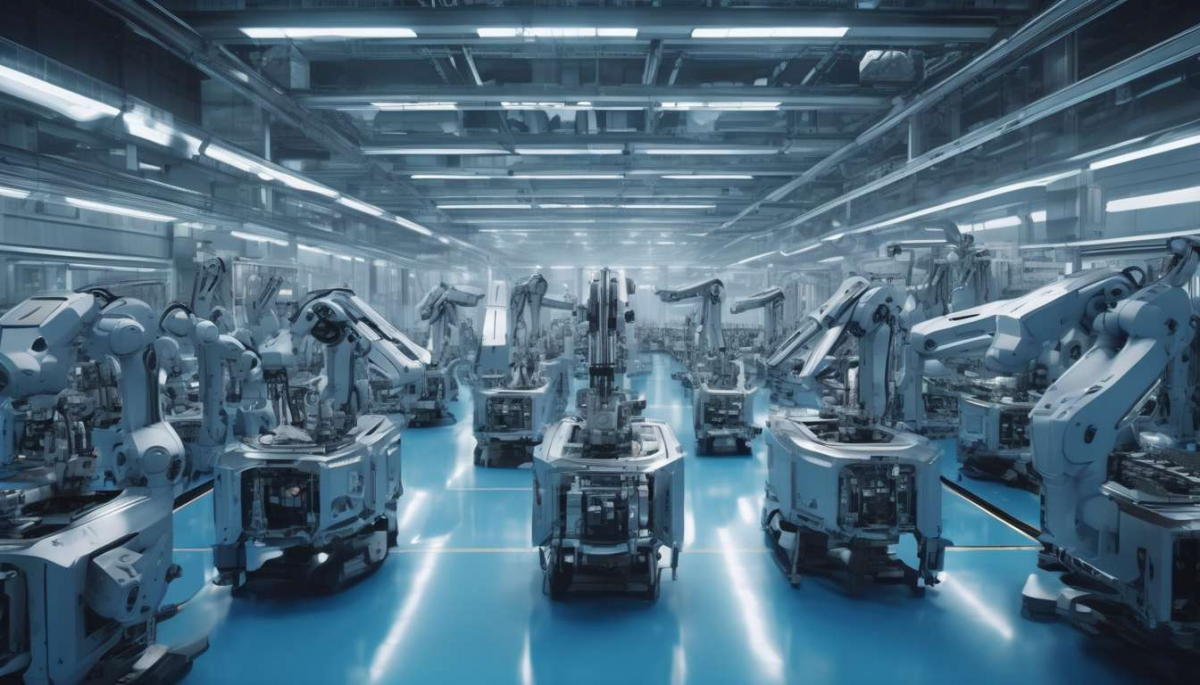
As industries strive for enhanced productivity and sustainability, the adoption of smart industrial tools and assembly solutions has emerged as a pivotal development. These advanced tools not only enhance worker safety and streamline processes but also provide real-time analytics that drive informed decision-making.
Industries ranging from automotive to aerospace and consumer electronics are leveraging such technologies to maintain a competitive edge. The transformation brought about by smart tools is redefining traditional assembly-line operations, heralding a new era of industrial innovation.
This article delves into how these cutting-edge solutions are reshaping workplaces across various sectors, setting new benchmarks for industry standards.
For those interested in integrating similar technologies into their operations, a simple search for help online can uncover a wealth of resources and expert guidance.
Revolutionizing Manufacturing Processes
Numerous advancements in industrial tools and assembly solutions are transforming manufacturing processes by enhancing efficiency and precision. Automation is a key component in this transformation.
Integration of Automation:
- Automation in production lines allows for streamlined operations.
- It reduces human error and increases output consistency.
- Facilitates the execution of complex tasks with minimal human intervention.
- Prioritizes quality and reliability in manufacturing processes.
Role of Data Analytics:
Data analytics plays a pivotal role in revolutionizing manufacturing by providing actionable insights that drive decision-making and process optimization.
-
Through real-time data collection and analysis, manufacturers can:
- Identify inefficiencies.
- Predict maintenance needs.
- Refine production strategies.
-
This data-driven approach ensures:
- Operations are aligned with industry standards.
- Customer expectations are met.
- A sense of community and shared purpose among stakeholders is fostered.
Precision Engineering:
Precision engineering further enhances these advancements by enabling the development of high-accuracy tools and components.
- Ensures each manufactured product meets stringent quality benchmarks.
- Reinforces the collective commitment to excellence.
Together, automation, data analytics, and precision engineering are setting new benchmarks in manufacturing excellence.
Enhancing Productivity and Efficiency
A myriad of innovative technologies is driving significant improvements in productivity and efficiency within the manufacturing sector.
Embracing automation stands as a pivotal strategy:
- Enables seamless operations
- Reduces manual intervention
- Streamlines processes
- Leads to faster production cycles
- Enhances output consistency
Data analytics plays a crucial role in optimizing performance metrics:
- Leverages real-time data
- Identifies inefficiencies
- Predicts equipment maintenance needs
- Refines operations
- Contributes to a more agile and responsive production environment
Precision engineering complements these advancements by ensuring that each component aligns with rigorous specifications:
- Minimizes waste
- Maximizes resource utilization
- Fosters a culture of excellence
Collectively, these technologies cultivate a sense of shared purpose among industry professionals, uniting them towards common goals of innovation and sustainability.
By integrating automation, data analytics, and precision engineering, enterprises not only boost productivity but also establish a competitive edge, creating a cohesive community committed to industrial advancement.
Ensuring Precision and Quality Control
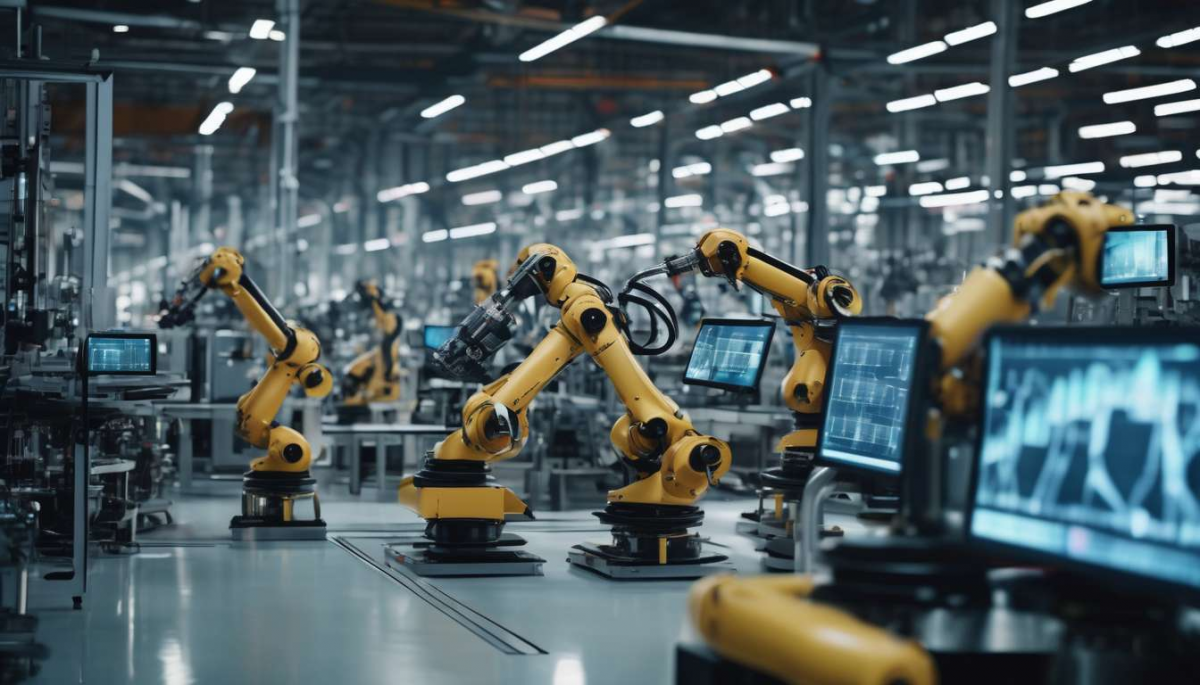
Achieving high levels of precision and stringent quality control is essential for manufacturers aiming to maintain product integrity and customer satisfaction. In today’s competitive market, automation plays a crucial role in ensuring consistent outcomes. By integrating advanced automation technologies, industries can:
- Maintain precise standards
- Minimize human error
Precision engineering is the backbone of manufacturing processes that require exact measurements and tolerances, contributing significantly to the overall quality of the final product.
The use of data analytics in quality control processes further enhances the capability to identify and rectify discrepancies swiftly. Real-time data collection and analysis empower manufacturers to:
- Monitor the production line continuously
- Ensure that each component meets predefined standards
This proactive approach not only improves the quality of products but also fosters a culture of continuous improvement within the industry.
By leveraging:
- Automation
- Precision engineering
- Data analytics
Industries can create a cohesive environment where quality control is seamlessly integrated into every stage of production, reinforcing the commitment to excellence and reliability.
Driving Informed Decision-Making
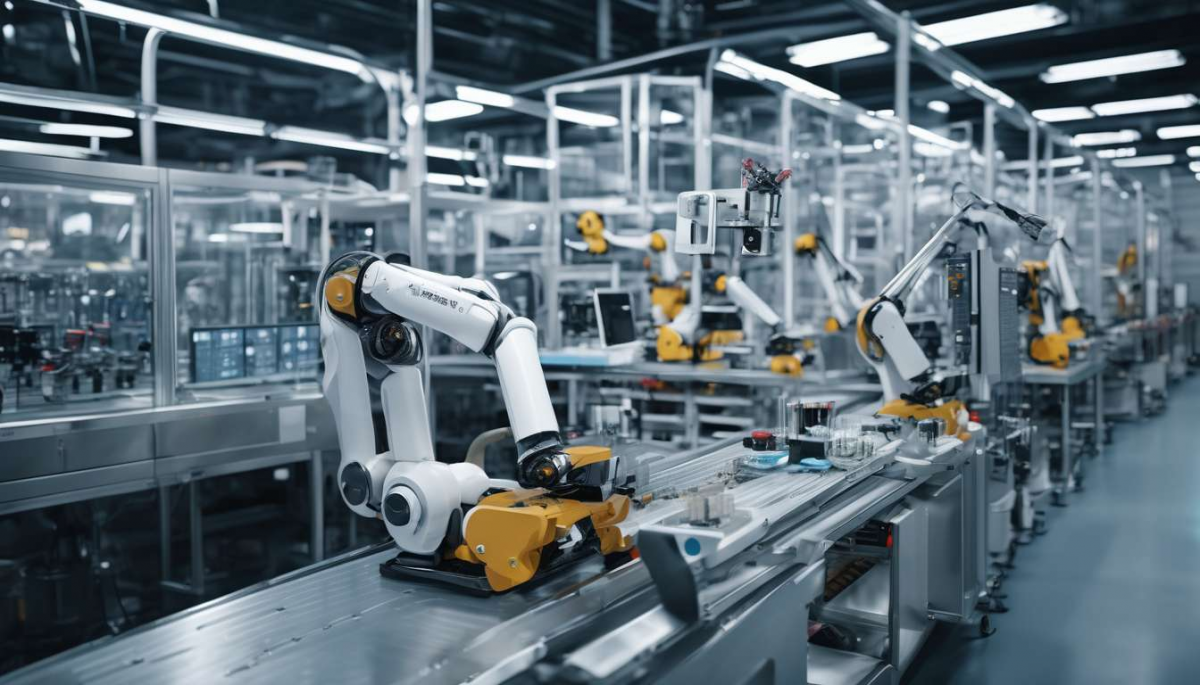
Informed decision-making in industrial settings hinges on the timely and accurate analysis of data to optimize operations and drive efficiency.
Automation plays a crucial role in gathering and processing large volumes of data. Data analytics, in turn, transform this information into actionable insights. By leveraging data analytics, industries can:
- Identify patterns and trends
- Facilitate strategic planning
- Make informed decisions
This comprehensive data approach ensures that operations are not only efficient but also aligned with the latest technological advancements.
Precision engineering further enhances this decision-making process by providing the tools necessary for accurate measurements and quality assessments. It ensures that every component and system operates within specified tolerances, reducing the likelihood of errors.
The integration of precision engineering with automation and data analytics creates a robust framework that supports:
- Continuous improvement
- Innovation
Industries adopting these practices achieve enhanced performance and foster a sense of community and shared purpose among stakeholders. This strengthens the collective drive towards excellence.

Redefining Industrial Operations
Innovative technologies are transforming industrial operations by enhancing efficiency and adaptability across various sectors.
Automation plays a central role in this evolution by:
- Streamlining processes
- Reducing manual intervention
By leveraging automation, industries can achieve:
- Higher productivity levels
- Consistency
- Precision
Data analytics further supports this transformation by:
- Providing insightful information
- Enabling data-driven decisions
- Optimizing operations and resource allocation
Precision engineering, a cornerstone of modern industrial operations, ensures that components and systems meet exact specifications. This discipline enhances the:
- Reliability of products
- Quality of products
- Customer satisfaction and loyalty
The integration of advanced technologies in industrial settings fosters a sense of belonging within the industry. Businesses and employees work towards common goals of:
- Innovation
- Excellence
Collectively, these advancements redefine industrial operations by creating a more connected and efficient environment.
This connectivity facilitates:
- Seamless collaboration among stakeholders
- A culture of continuous improvement
- Resilience in the face of ever-evolving market demands.
Maintaining Competitive Edge
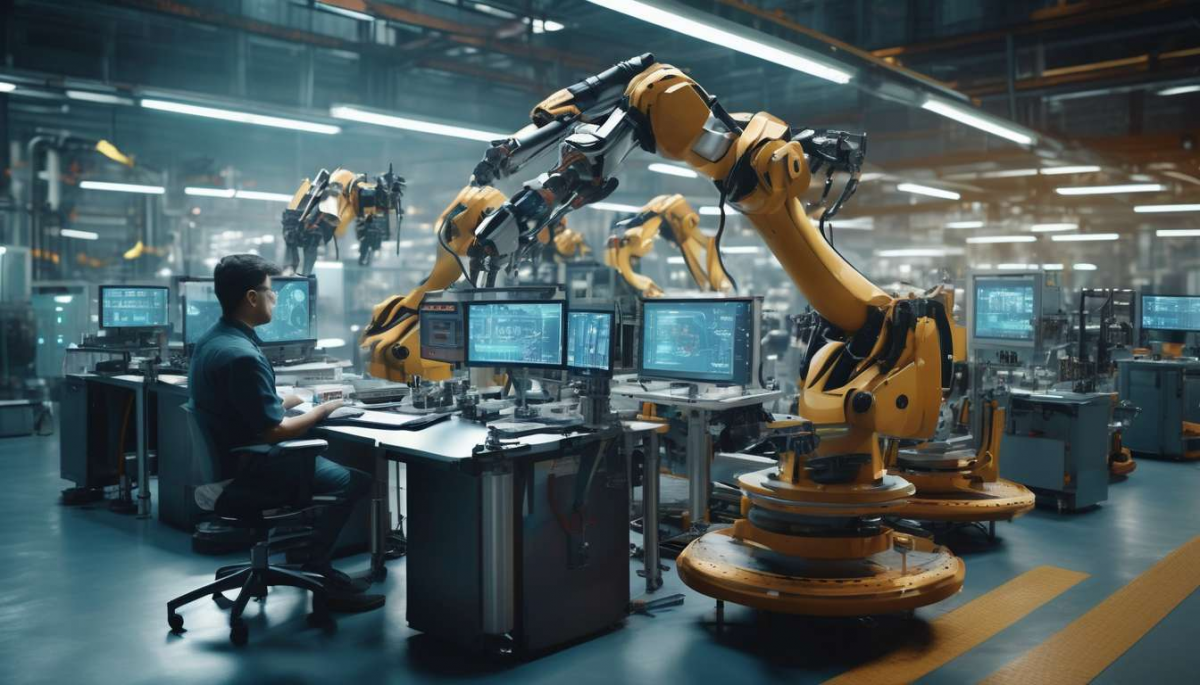
To maintain a competitive edge, companies must continuously adapt to technological advancements and industry trends.
Embracing automation is crucial because it streamlines production processes, reduces human error, and enhances efficiency. By integrating automated systems, businesses can:
- Respond swiftly to market demands
- Ensure they remain at the forefront of their respective industries
Data analytics plays a pivotal role in sustaining competitiveness. Analyzing large datasets helps organizations:
- Make informed decisions
- Optimize operations
- Identify potential areas for improvement
Companies utilizing data analytics gain insights into:
- Consumer behavior
- Production efficiency
- Market dynamics
This fosters a culture of innovation and continuous improvement.
Precision engineering contributes significantly to maintaining a competitive edge by ensuring the production of high-quality products. Precision in manufacturing processes leads to:
- Improved product reliability
- Enhanced customer satisfaction
- Creation of a loyal customer base
In an era where attention to detail is paramount, precision engineering allows companies to:
- Differentiate themselves from competitors
- Solidify their position in the market
Through these strategies, businesses can thrive and foster a sense of belonging within the industry.